Culture · 13 September 2026
Q&A with Catherine Chidgey
The novel Remote Sympathy follows three Germans through the Second World War. Lenard is a doctor with Jewish ancestry; Dietrich is an SS officer stationed at Buchenwald concentration camp; Greta is Dietrich's wife, livin
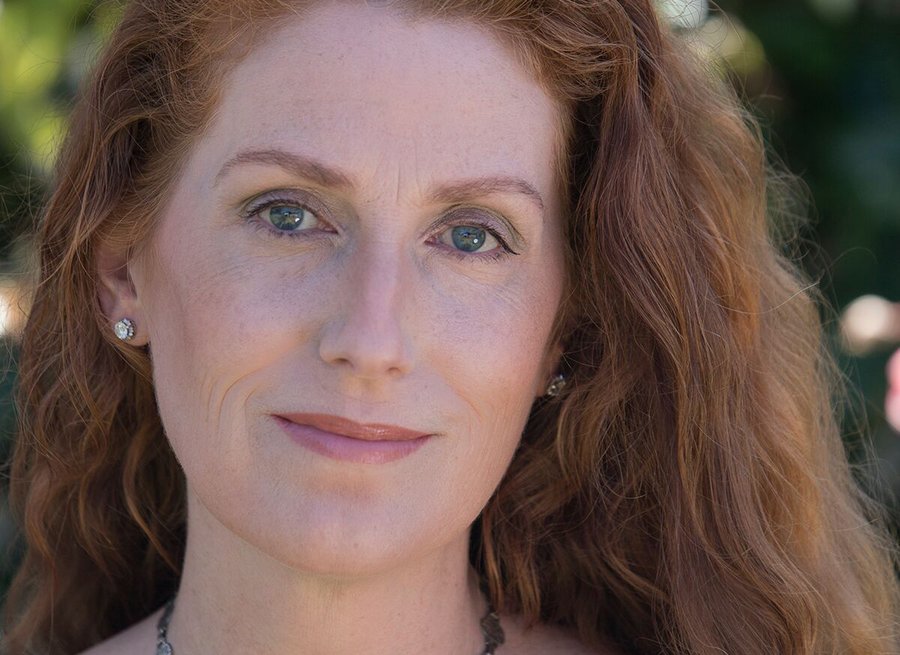
The novel Remote Sympathy follows three Germans through the Second World War. Lenard is a doctor with Jewish ancestry; Dietrich is an SS officer stationed at Buchenwald concentration camp; Greta is Dietrich’s wife, living in a handsome house a short distance from the camp she tries to ignore.
In the early 1930s Lenard built a machine he believed could cure cancer. It worked through what he called “remote sympathy” – sending electrical impulses to one part of the body in order to treat tumours elsewhere. Years later, at Buchenwald, Dietrich orders the imprisoned Lenard to rebuild the device and treat Greta in secret. By then Lenard is convinced it cannot work, but to protect his family and himself he must pretend otherwise.
The book is therefore as much about the power of belief as about the corrosive effects of self-deception. Each character refuses to confront an uncomfortable truth until it can no longer be avoided.
The origins of the story
The idea took shape during a visit to Buchenwald as a student in 1990s Berlin. The class slept in the former SS barracks, though not especially well. What struck the author was the proximity of the camp to Weimar – the cradle of German culture and enlightenment lay only a few kilometres downhill.
A professor pointed out the stump of a tree in the middle of the camp, known as the Goethe oak. Goethe was said to have rested beneath it on his hill walks and written poetry there. When the land was cleared to build Buchenwald, the Nazis spared the tree: for them it stood for everything noble and pure about Germany, while for the prisoners it represented a Germany long lost. Those contradictions stayed in the mind and seemed to belong in fiction.
Much later, while researching a different novel, the author came across accounts of experimental medical treatments in Nazi Germany, electrotherapy among them. Those two strands produced the story of a doctor and prisoner ordered to save a patient with a machine he is certain cannot succeed. The plot arrived fully formed, which is rare, and proved too intriguing to set aside.
Research and the historical record
The research drew on prisoner memoirs, interviews, letters and publications from the Buchenwald Memorial, alongside a return visit to the site in 2018. Sources frequently contradicted one another or carried political bias; many East German accounts, for instance, mythologise the role of communist prisoners.
Two years of correspondence with the Memorial’s chief archivist opened up valuable material: floorplans of the officers’ villas, designed by an architect who was himself a prisoner; greeting cards made by prisoner calligraphers for the SS; details of the zoo and falconry kept beside the camp for the SS and their families; clandestine photographs of conditions inside the fence, and official photographs purporting to show the same conditions. The archivist also gave the author an ammonite fossil found in the area – evidence of a far more distant past, which found its way into the book’s symbolism.
Dietrich’s duties and some of his actions are based on the head of administration at Buchenwald. Reading 6,000 pages of transcripts from the Buchenwald trials, and more from Nuremberg, what stood out was how completely normal he and his fellow accused most often sounded. That became the key to shaping his character.
What readers might take from the novel
At its simplest, the hope is that readers will enjoy the unusual intersections the book sets up – the way these very different lives brush against one another and interlock. All the main characters are complicit to varying degrees in the persecution of innocent people; even Lenard, a prisoner, must make compromising choices in order to survive.
Beyond the satisfaction of watching the characters’ stories gradually unfold, and at the risk of sounding preachy, the novel invites readers to consider their own willingness to look the other way when a situation is ethically uncomfortable.
A recent recommendation
John Boyne’s A Ladder to the Sky is a mesmerising tale of ruthless literary ambition, and there is particular delight to be taken in the arch bitchiness of some of the writers Boyne brings to egomaniacal life.